
Close
Choosing the right industrial cable is critical for ensuring safety, efficiency, and long-term performance in any electrical system. In the UAE, where industrial operations run in high temperatures and demanding environments, selecting the correct cable type becomes even more important.
One of the most common challenges engineers and contractors face is deciding between different cable core configurations. Whether it’s 2-core, 3-core, 4-core, 5-core, or even 7-core cables, each type serves a specific purpose.
This guide will help you understand how to choose the right cable based on your application, load requirements, and working conditions in the UAE.
The term “core” refers to the number of insulated conductors inside a cable. Each core carries electrical current or signals independently within a single outer sheath.
A 2-core cable typically includes:
It is used for basic electrical applications where earthing is not required.
However, it has limited safety compared to higher-core cables due to the absence of an earth wire.
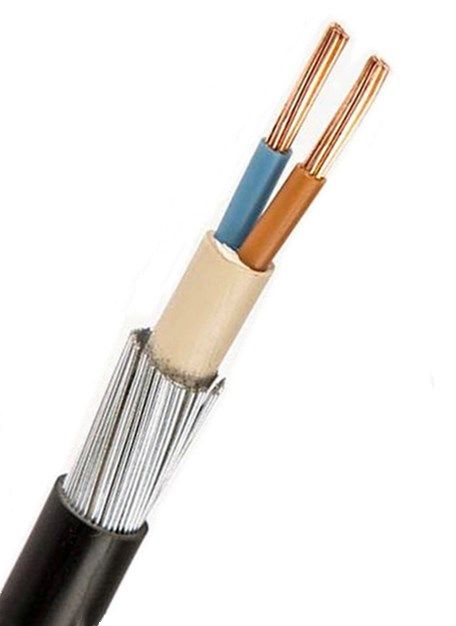
A 3-core cable includes:
This makes it safer and more suitable for a wide range of applications.
The inclusion of an earth wire provides better protection against electrical faults.

A 4-core cable is typically used in three-phase systems:
Three-phase systems are widely used in the UAE industries due to high power demand.
4-core cables simplify wiring and improve system stability by including a neutral conductor.
A 5-core cable includes:
5-core cables allow multiple functions, power, control, and safety to be combined in one cable, reducing wiring complexity.
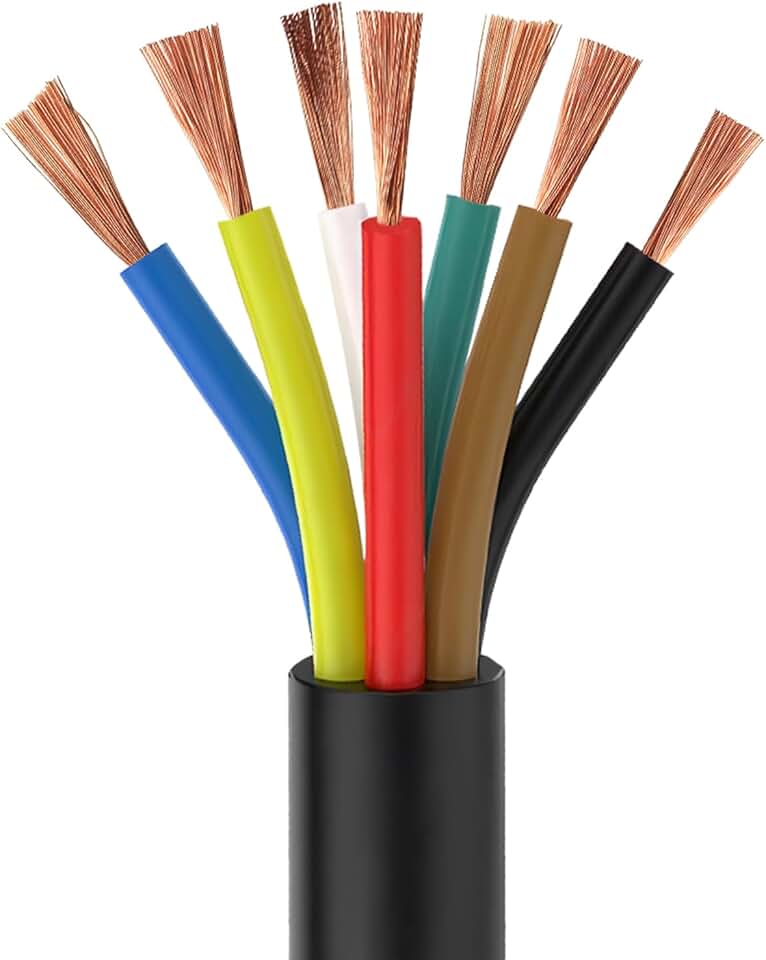
A 7-core cable contains multiple conductors used for both power and control signals.
These cables are commonly used where multiple signals need to be transmitted within a single cable setup.
Cable Type | Best Use | Complexity | Safety Level |
2-Core | Basic circuits | Low | Basic |
3-Core | General use | Moderate | Good |
4-Core | Three-phase systems | High | Good |
5-Core | Industrial machinery | High | Very High |
7-Core | Control systems | Advanced | Very High |
Higher power loads require cables with more cores, especially in three-phase systems.
UAE environments involve:
Choose cables with proper insulation, such as XLPE or PVC, for durability.
Multi-core cables reduce the need for multiple wiring runs, making installation easier and more organized.
Cables with earth conductors (3-core and above) offer better protection against faults and are preferred for industrial use.
Using higher-core cables (like 4-core or 5-core) allows flexibility for future upgrades without rewiring.
These mistakes can lead to safety risks, inefficiency, and costly repairs.
Making the right choice improves efficiency and reduces long-term costs.
Choosing between 2, 3, 4, 5, and 7-core industrial cables depends on your specific application, load requirements, and environmental conditions. While 2-core cables are suitable for simple systems, industrial setups in the UAE often require 4-core or 5-core cables for reliable and safe performance.
Understanding the differences between these cable types helps ensure better system design, improved safety, and long-term efficiency. As industrial demands continue to grow in the UAE, selecting the right cable becomes a critical investment rather than just a technical choice.
For high-quality industrial cables and expert guidance tailored to your project requirements, Levit offers reliable solutions designed to meet the performance and safety standards of modern electrical systems.
WhatsApp us