
Close
Cable flexing life refers to the number of bending cycles a cable can safely complete before its performance begins to decline. A bending cycle usually means one complete movement, such as a cable moving forward and returning to its original position.
In moving applications, cables experience continuous mechanical stress. Every bend puts pressure on the internal conductors, insulation, and protective layers. Over time, repeated motion can cause wear if the cable is not specifically designed for flexibility.
A cable with a high flexing life is built to maintain:
This makes flexible industrial cables essential for equipment that operates with frequent movement.
In modern industrial environments, cables are no longer limited to fixed installations. Many machines and automated systems require cables to move continuously while delivering power, signals, or data. From robotic arms and CNC machines to conveyor systems and automated equipment, moving applications demand cables that can handle repeated bending, twisting, and motion.
This is where cable flexing life becomes an important consideration. Unlike standard cables designed for stationary use, flexible industrial cables are engineered to withstand constant movement without losing performance. Choosing the wrong cable can lead to insulation damage, conductor breakage, unexpected downtime, and costly repairs.
Understanding how cable flexibility works and what factors affect cable lifespan helps businesses select the right solution for their operational needs.
A common mistake is using regular electrical cables in applications that require constant motion. Standard cables are usually designed for fixed installations where movement is limited.
When exposed to continuous bending, these cables may experience:
Inside a cable, metal conductors carry electrical current. Repeated bending can weaken these conductors, eventually causing cracks or breaks.
The outer insulation protects the cable from electrical and environmental damage. Continuous movement can create stress points that reduce insulation effectiveness.
Damaged cables may result in unstable power delivery, signal interruptions, or equipment failures.
For machines that operate daily, selecting cables designed for movement is not just an upgrade – it is an important part of reliable system design.
A high-quality flexible cable is designed differently from standard wiring. Manufacturers use specific construction methods and materials to improve movement performance.
Important features include:
Flexible industrial cables typically use finely stranded conductors instead of solid conductors. The smaller strands allow the cable to bend repeatedly without putting excessive stress on the metal.
The insulation must withstand mechanical pressure, temperature changes, and frequent movement. Materials are selected based on the application environment.
Many moving cables include additional protective layers that improve strength while maintaining flexibility.

Industrial environments may expose cables to:
A suitable cable design helps maintain performance even under challenging conditions.
Many industries depend on flexible cables because their equipment involves regular movement.
Common applications include:
Robotic systems require cables that can move along multiple axes. Robot cables must handle bending, twisting, and repeated cycles without affecting operation.
Machine tools often involve fast and precise movements. Flexible cables help maintain consistent power and communication between components.
Conveyor equipment may use moving cables for sensors, controls, and power connections. A durable cable design helps prevent frequent replacements.
Many medical machines require controlled movement and reliable electrical connections, making flexible cable solutions important.
Manufacturing equipment often operates for long hours, making cable durability a key factor in reducing maintenance needs.
Not all flexible cables perform the same way. Several factors influence how long a cable can last in a moving application.
The bend radius is the minimum curve a cable can safely handle without damage.
If a cable is bent too tightly, the internal structure experiences additional stress. Following the recommended bend radius helps improve cable lifespan.
Different movements affect cables differently.
Common motion types include:
A cable designed for simple bending may not perform well in twisting applications.
The speed of movement also affects cable performance. High-speed machinery creates more mechanical stress, requiring cables designed for dynamic operation.
Temperature changes can affect cable materials. Extreme heat or cold may reduce flexibility and increase the risk of damage.
Selecting cables suitable for the operating environment helps maintain reliable performance.
Proper installation plays a major role in cable life. Poor routing, incorrect support, or excessive tension can shorten the lifespan of even high-quality cables.
Selecting the correct cable requires understanding the actual working conditions of the equipment.
Consider the following points before making a choice:

Determine whether the cable will experience bending, twisting, or continuous movement. This helps narrow down the correct cable type.
For applications with frequent motion, choose cables specifically designed for high flexibility and repeated cycles.
The cable should match the required:
A cable that handles movement well but does not meet electrical requirements may still cause problems.
Industrial settings vary widely. A cable used in a clean automation area may need different protection compared to one used near chemicals or heavy machinery.
Choosing a durable cable may reduce replacement frequency and maintenance costs. The initial selection should consider future operating conditions, not just immediate requirements.
The difference between flexible and standard cables goes beyond appearance. Flexible cables are engineered to survive mechanical stress.
A regular cable may be suitable for:
Flexible industrial cables are better suited for:
Choosing the right cable type improves safety, reduces interruptions, and supports smoother machine operation.
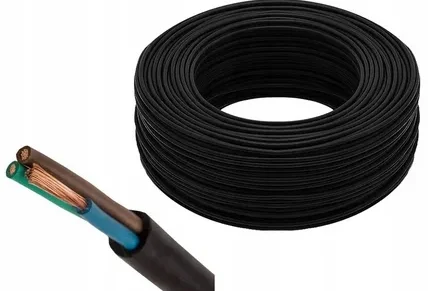
Even the best cable requires proper care. Regular inspections can help identify early signs of wear.
Look for:
Early detection allows maintenance teams to address issues before they become major failures.
Proper cable management, correct installation, and suitable operating conditions all contribute to extending cable life.
Understanding cable flexing life is essential when selecting industrial cables for moving applications. Machines that depend on constant movement need wiring solutions that can handle repeated stress while maintaining electrical reliability.
The right flexible cable helps prevent unexpected failures, supports efficient machine operation, and reduces long-term maintenance challenges. By considering factors like movement type, bend radius, environmental conditions, and electrical requirements, businesses can make smarter cable choices.
For reliable industrial cable solutions designed for demanding applications, Levit Electric offers quality products and expertise to support different electrical requirements. Explore our electrical services to find the right cable solutions for your moving equipment and improve the reliability of your systems.
WhatsApp us