
Close
When planning any residential, commercial, or industrial infrastructure project, it’s easy to assume that all cable protection systems serve the same purpose. However, one of the most common mistakes made during installation is treating telephone ducts and electrical conduits as interchangeable. While they may look similar at first glance, they are designed for entirely different applications, and choosing the wrong one can affect safety, cable performance, future maintenance, and even regulatory compliance.
Understanding the difference between these two systems is essential for engineers, contractors, project managers, and property owners. Whether you’re installing a telecommunications network, laying underground electrical lines, or developing a new building, selecting the right protective pathway ensures your cables remain secure, organized, and easy to maintain.
In this guide, we’ll break down the differences between telephone duct vs electrical conduit, explain where each is used, and help you choose the right solution for your project.
Before comparing the two, it’s important to understand why cable protection systems are used in the first place.
Cables are constantly exposed to external threats such as moisture, heat, physical impact, chemicals, UV radiation, and soil pressure. Without proper protection, these factors can lead to damaged insulation, interrupted services, electrical faults, and costly repairs.
Cable protection systems are designed to:
Although both telephone ducts and electrical conduits serve these general purposes, they are engineered for different types of cables.
A telephone duct is a protective underground or above-ground pathway specifically designed to house communication cables rather than electrical power cables. These ducts create a dedicated route for telecommunication infrastructure, ensuring cables remain protected while allowing future upgrades or replacements without extensive excavation.
Telephone ducts are commonly installed during infrastructure development so communication cables can be added whenever required.
Since communication cables generally carry low-voltage signals instead of electrical power, telephone ducts are designed with those requirements in mind.
An electrical conduit pipe is a protective tube or piping system designed to enclose electrical wiring that carries power. It shields conductors from physical damage while improving electrical safety and reducing exposure to environmental hazards.
Electrical conduits are widely used in residential buildings, factories, commercial complexes, hospitals, warehouses, and infrastructure projects.
Depending on the installation environment, conduits may be installed:
Electrical conduits help ensure wiring remains protected throughout its operational life.
Although both systems protect cables, their intended applications differ significantly.
Telephone ducts are built for communication cables such as telephone lines, fiber optics, and internet cables.
Electrical conduits are specifically designed to carry electrical wiring that distributes power throughout a building or infrastructure project.
Telephone ducts protect low-voltage communication cables.
Electrical conduits protect conductors carrying significantly higher electrical voltages, making safety requirements much more stringent.
Telephone ducts are often manufactured using high-density polyethylene (HDPE) or similar durable plastic materials that provide flexibility and corrosion resistance.
Electrical conduits are available in various materials, including:
The choice depends on installation conditions and electrical code requirements.
Electrical conduits are designed with fire resistance, grounding requirements, insulation protection, and electrical safety regulations in mind.
Telephone ducts primarily focus on protecting communication infrastructure from environmental damage rather than electrical hazards.
Electrical conduit installations must comply with strict electrical safety standards.
Telephone duct installations generally follow telecommunications and infrastructure guidelines instead of electrical wiring regulations.
Many people wonder why communication cables and electrical wiring cannot simply be placed inside the same protective conduit.
There are several important reasons.
Electrical cables carrying high current can generate electromagnetic interference (EMI). When communication cables are installed alongside power cables, signal quality may be affected, causing interruptions in data transmission.
Keeping telephone ducts separate helps maintain reliable communication performance.
Separating electrical wiring from communication infrastructure minimizes safety risks during maintenance, inspections, and future upgrades.
Dedicated cable pathways make troubleshooting significantly easier because technicians can identify and access specific systems without disturbing unrelated installations.
Modern infrastructure often requires network upgrades. Separate telephone ducts allow additional communication cables to be installed without interfering with electrical systems.
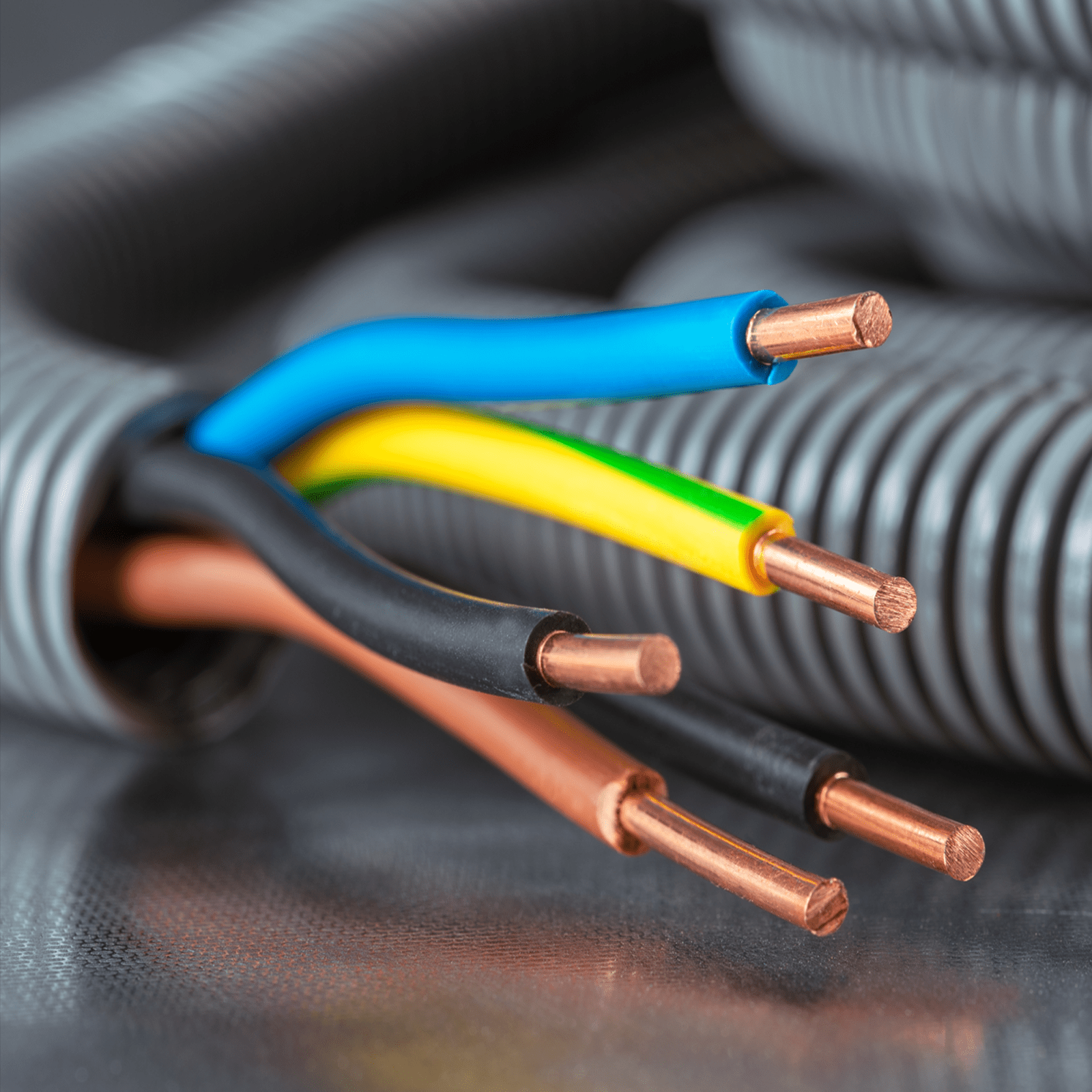
The performance of a telephone duct largely depends on its construction material.
HDPE is one of the most widely used materials because it offers:
PVC ducts are also popular due to their:
The choice depends on project requirements, installation methods, and environmental conditions.
Electrical conduits come in several varieties to suit different environments.
Ideal for underground installations and corrosive environments.
Provides maximum mechanical protection in industrial facilities.
Suitable for equipment that experiences vibration or movement.
Frequently used in commercial buildings where moderate mechanical protection is required.
Selecting the correct conduit depends on location, environmental exposure, and applicable electrical codes.
Selecting between a telephone duct and an electrical conduit should always begin with the type of cable being installed.
Using the correct protective system ensures long-term performance while simplifying maintenance and future upgrades.
Installing both cable types inside the same conduit increases interference and complicates maintenance.
Undersized conduits make cable pulling difficult and leave little room for future expansion.
Outdoor installations require materials that resist UV exposure, moisture, chemicals, and corrosion.
Electrical and telecommunications installations often follow different standards. Compliance should always be verified before installation begins.
Adding spare ducts during construction is far more cost-effective than digging new trenches later.
Choosing the right system delivers long-term operational advantages beyond simple cable protection.
Proper separation reduces signal loss and electrical interference.
Protected cables experience fewer failures, reducing repair expenses.
Correct conduit selection minimizes electrical hazards and protects maintenance personnel.
High-quality ducts and conduits help preserve cable integrity for many years.
Well-planned installations make future upgrades faster and less disruptive.
Cable management is a critical part of any infrastructure project. Factors such as cable type, routing distance, environmental conditions, installation depth, load requirements, and future expansion all influence the selection process.
Professional planning ensures that every component works together efficiently while meeting applicable safety and performance standards. Investing time in selecting the right cable protection system today can prevent expensive modifications and operational issues in the future.
While telephone ducts and electrical conduits may appear similar, they are designed to serve completely different purposes. Telephone ducts provide dedicated pathways for communication networks, while electrical conduits protect power cables that carry electricity throughout buildings and infrastructure. Understanding these differences helps improve safety, maintain reliable system performance, and support future maintenance without unnecessary complications.
For projects that demand durable cable protection solutions and dependable electrical infrastructure products, Levit Electric offers a comprehensive range of high-quality electrical cables and wires designed to meet diverse industry needs. Whether you’re planning a new installation or upgrading an existing system, call us now to find reliable solutions backed by quality, expertise, and long-term performance.
WhatsApp us