
Close
When choosing cables for industrial, commercial, or residential electrical installations, many people assume that submersible cables and waterproof cables are the same. After all, both are designed to resist moisture and protect electrical connections in wet environments. However, these cables are built for different purposes, and using the wrong one can result in equipment failure, safety hazards, and expensive replacements.
Understanding the difference is essential, especially for industries that depend on reliable electrical performance in challenging conditions. Whether you are installing a water pump, designing an outdoor lighting system, or setting up electrical equipment in humid environments, selecting the correct cable plays a major role in system efficiency and longevity.
In this guide, we’ll compare submersible cable vs waterproof cable, explain where each is used, and help you determine which option is best for your application.
A submersible cable is a specially engineered electrical cable designed to operate completely immersed in water for extended periods. Unlike ordinary moisture-resistant cables, it is manufactured with insulation and sheathing materials that prevent water from penetrating the cable structure even under continuous submersion.
These cables are commonly used to supply power to equipment installed underwater or below the water table, where constant exposure to water is unavoidable.
Because these installations operate underwater for years, the cable must withstand pressure, moisture, and continuous electrical load without deteriorating.
A waterproof cable is designed to resist water exposure, but it is not necessarily intended for permanent underwater operation. These cables can handle rain, splashes, humidity, temporary flooding, or damp environments while maintaining electrical performance.
The level of water resistance depends on the cable’s design, insulation materials, protective jacket, and environmental rating.
These cables perform well where moisture is present, but are generally not intended for continuous underwater use unless specifically rated for submersion.
Although both cable types protect against moisture, their operating environments differ significantly.
Submersible cables are designed to remain underwater continuously without compromising insulation or electrical performance.
Waterproof cables, on the other hand, are mainly built to resist external water exposure rather than permanent immersion.
Submersible cables feature multiple layers of high-quality insulation and specially designed sheathing materials that prevent water ingress throughout the cable’s life.
Waterproof cables generally include protective outer jackets that repel moisture but may not stop water penetration during prolonged underwater exposure.
Submersible cables are manufactured to withstand hydrostatic pressure found in wells, boreholes, and submerged installations.
Most waterproof cables are not engineered for constant underwater pressure.
Submersible cables work in fully submerged conditions.
Waterproof cables perform best in wet, damp, or outdoor environments where water exposure is temporary.
Using a waterproof cable instead of a submersible cable may seem like a cost-saving decision initially, but it often leads to long-term problems.
If water penetrates a cable that isn’t designed for continuous immersion, it can cause:
Moisture entering the cable can damage insulation, leading to voltage leakage and equipment malfunction.
In pumping systems, cable failure often means pulling the entire pump assembly out of the well, resulting in expensive repairs and operational delays.
Water intrusion accelerates insulation degradation, reducing both cable lifespan and connected equipment reliability.
Repeated cable replacements, labor charges, and production downtime can become far more expensive than selecting the correct cable from the beginning.
Choosing the right cable protects both your electrical system and your investment.
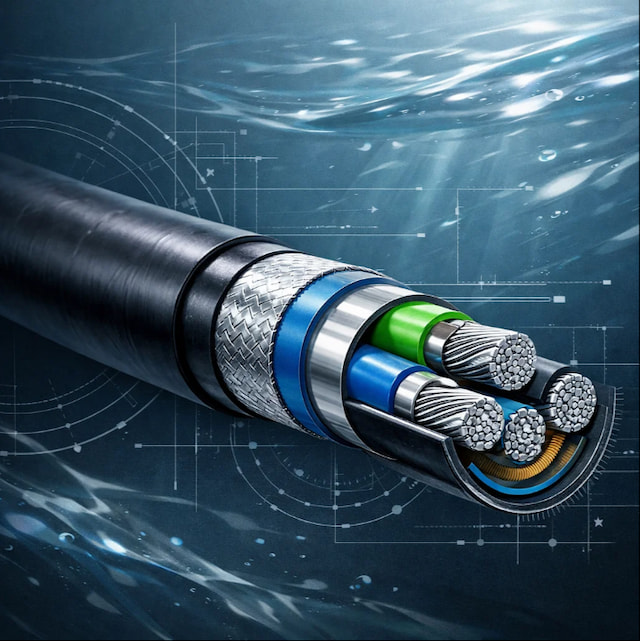
One of the biggest differences lies in cable construction.
Submersible cables use insulation materials that resist moisture absorption while maintaining excellent electrical properties over long periods.
This makes the cable suitable for demanding industrial environments.
Even though they are highly durable, many submersible cables remain flexible enough for easy installation in narrow borewells and pump assemblies.
Quality submersible cables are engineered to deliver reliable performance despite continuous exposure to water and varying environmental conditions.
This is one of the most common misconceptions.
The answer depends entirely on the manufacturer’s specifications.
Many waterproof cables are only tested for:
These conditions are very different from remaining underwater every day for several years.
Unless a cable is specifically designed and certified for submerged applications, it should never replace a true submersible cable.
Always review the product specifications before installation.
Selecting the correct cable begins with understanding your installation environment.
Evaluating the actual operating conditions instead of simply focusing on the word “waterproof” helps prevent costly installation mistakes.
Every installation has unique electrical and environmental requirements.
Before purchasing a cable, consider the following:
Choose a cable rated for your system voltage to ensure safe operation.
Some applications involve high operating temperatures, requiring cables with suitable thermal resistance.
Industrial facilities may expose cables to oils, chemicals, or corrosive substances.
If cables experience movement, bending, or vibration, select products designed for flexibility and durability.
For submerged installations, water depth and pressure should always be considered.
Ensure the cable complies with relevant international quality and safety standards.
These factors improve reliability and reduce long-term maintenance requirements.
Choosing electrical cables based solely on price can lead to unnecessary failures.
Here are several mistakes that should be avoided.
Not every waterproof cable is designed for underwater use.
Always verify installation recommendations before selecting a cable.
Poor insulation and inferior sheathing reduce cable life, especially in demanding environments.
Installing the correct cable today can eliminate expensive repairs tomorrow.
Every project has different operating conditions. Matching the cable to the environment always delivers better long-term performance.
The answer depends entirely on where the cable will be installed.
If your application involves continuous immersion, investing in a high-quality submersible cable provides greater durability, fewer breakdowns, and lower maintenance costs over time.
For outdoor electrical systems where water exposure is occasional, waterproof cables offer excellent protection while remaining cost-effective.
Rather than asking which cable is better overall, the more important question is which cable is designed for your specific operating environment. Selecting the right product ensures safety, improves equipment performance, and helps avoid unnecessary downtime.
Electrical cable selection involves much more than matching voltage ratings. Environmental conditions, installation methods, operating temperatures, and equipment requirements all influence the right choice.
Working with experienced cable specialists helps ensure that every component is compatible with your application, reducing the risk of premature failures and improving system reliability. Whether you’re installing industrial machinery, water pumping systems, or outdoor electrical infrastructure, expert guidance can save both time and long-term maintenance costs.
Selecting between a submersible cable and a waterproof cable isn’t simply a matter of terminology; it directly impacts the safety, efficiency, and lifespan of your electrical system. Understanding how each cable is designed and where it performs best allows you to make informed decisions that protect your equipment and reduce unexpected operational issues.
If you’re looking for dependable cable solutions tailored to demanding industrial, commercial, or infrastructure projects, Levit Electric offers a wide range of high-quality electrical cables designed to meet diverse application requirements.
WhatsApp us